Description
Phlox paniculata Younique Old Cerise (Younique Series)
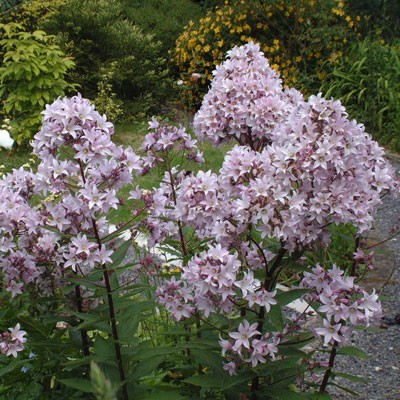
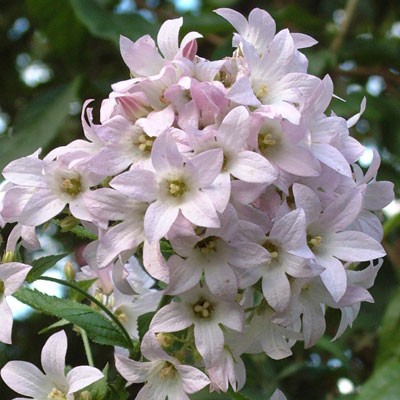
This is an old cottage garden favourite with a modern twist. The stalwarts of the garden in Summer with sizzling colour and a heady fragrance, especially on a Summer evening- no wonder that Phlox means ‘sweet dreams’. The Younique series have been bred to produce compact stocky plants (around 40 x 40cm ) with bright cerise, non-fading blooms with a self coloured eye, just a shade deeper. Phlox appreciate good fertile growing conditions and just a little afternoon shade to give them respite from the hot Summer sun, especially as they flower from Summer to Autumn.
Phlox
All but one of the 60 or so species of Phlox are from the Americas, from Mexico north where they colonise open woods ans streamsides and limestone hillsides. They were introduced into Europe as early as 1730 by John Bartram. In the late 1800’s several cultivars were raised, possibly by hybridisation with P. caroliniana, but they reached the height of their popularity in the a950’s and 60’s when an extensive breeding program by Frenchman Capt Symons-Jeune saw the introduction of new showy varieties with pure colours and better disease resistence. The majority of breeding of modern cultivars has come from Europe, beginning with breeding efforts in France some 100 or so years ago. In the first instance hybrids were known under the name Phlox decussata.
One of the first major breaks that came in the breeding of Phlox was when John Downie of Edinburgh produced the first eyed variety.
Phlox generally are prone to powdery mildew and leaf blotches which is perhaps why they fell from fashion in the early 1980’s. It is important to give them good soil conditions where they do not go short of water in late summer when in flower. Spring feeding is also beneficial. Full sun gives the best results if water is not short but on thinner soils some shade is beneficial. Much attention has been paid to breeding healthier plants in recent years, but good growing conditions are still very important.
Phlox paniculata can be the first of the border perennials to show signs of water stress. They can grow happily in full sun or light shade but do require access to adequate moisture to grow at their best. Thinning out weak shoots early in the season allows the stronger shoots to flourish and flower better. It is also possible to half the height of some of the outside shoots half way through the season. These trimmed shoots will then branch and go on to flower after the main display, prolonging the season.



Reviews
There are no reviews yet.